Best Robot Vacuums for Pet Hair (2026): Tested & Compared
We compared the top robot vacuums for pet hair across suction, navigation, and self-emptying. Here are our picks for every budget.
Pros
- Every pick uses anti-tangle rubber brushes, not bristles
- Covers budget to flagship, from $140 to $900
- All picks handle long pet hair without wrapping the roller
Cons
- Self-emptying docks add to the upfront cost
- Prices move often — check the current price before buying
| Product | Price | Rating | Highlights |
|---|---|---|---|
| $499.99 | 4.3 / 5 |
| |
| $899.99 | 4.0 / 5 |
| |
| $699.99 | 4.2 / 5 |
| |
| $139.99 | 4.3 / 5 |
|
If you live with cats or dogs, a normal robot vacuum clogs fast. Long hair wraps the roller, the bin fills in minutes, and the mapping gets confused by toys. The models below are the ones we kept coming back to after comparing spec sheets, expert tests, and tens of thousands of owner reviews.
Prices in this guide come from the Amazon product feed and were last checked in October 2026. Robot-vacuum prices move often — always confirm the current price on the listing.
How we picked
We scored every model on the things that actually change life with pets: hair handling (rubber brush rolls vs. bristles), raw suction, navigation accuracy, self-emptying convenience, and price-to-performance. Rubber brushes resist hair wrap; bristle rollers become a fur tumbleweed within a week, so we lean hard toward rubber on the picks that matter.
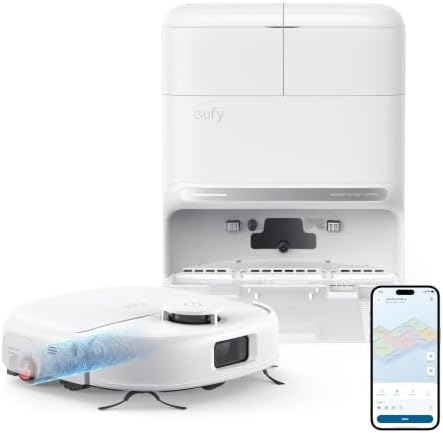
Best overall: eufy C28
The eufy C28 is the sweet spot for most pet homes. It pairs 15,000 Pa suction with a HydroJet roller mop and an anti-tangle brush, and — tellingly — it carries one of the largest review counts of any robot vacuum we track (nearly 60,000 ratings). The self-emptying, self-washing dock means you go weeks between hands-on maintenance.
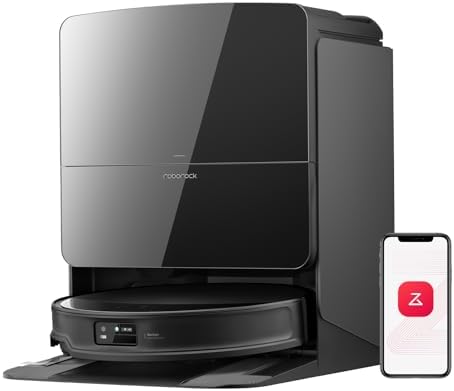
Best flagship: roborock Saros 10R
For maximum power, the roborock Saros 10R brings 22,000 Pa suction and a 3.14-inch chassis that reaches under furniture. It is the pick when embedded pet hair and large homes are the priority, and you want top-tier navigation.
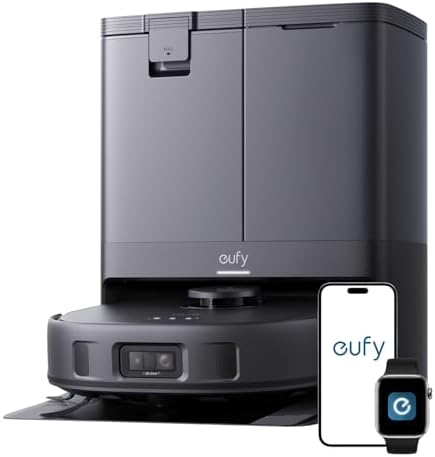
Best mid-range: eufy X10 Pro Omni
If you want a self-emptying, self-washing dock without flagship money, the eufy X10 Pro Omni is the sweet spot, with dual mops that lift 12 mm over rugs.
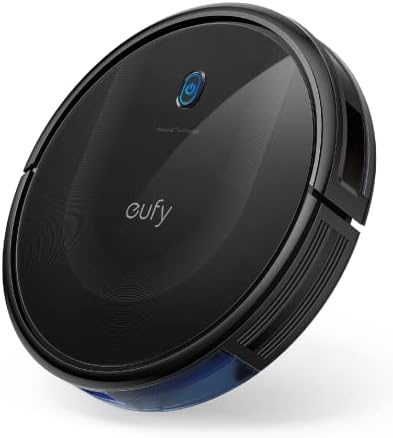
Best budget: eufy 11S MAX
On a tighter budget, the eufy 11S MAX is the classic value pick: super-thin, quiet, and reliable. You lose the dock and the mapping polish, but for a small apartment with one pet it is plenty.
Keeping your pick running
Hair-heavy homes need a clean brush and filter to keep suction. See our guides on how to clean a robot vacuum and what to do when it keeps stopping.
Bottom line
Spend on the brush and the dock, not the badge. A rubber anti-tangle brush and a self-emptying base are the two upgrades that matter most for pet owners — and every pick above includes at least the rubber brush. If you are still deciding between mopping and not, see our guide on how to choose a robot vacuum.
What actually matters for pet hair
Pet hair is not like ordinary dust. It is long, clumps together, and wraps around rotating parts until they stall. That changes which specs matter:
1. The brush design, not the suction number. A rubber or dual-roller brush resists tangling far better than a bristle brush. This is the single most important feature for pet homes — more than any Pa rating.
2. Self-emptying dock. Pet hair fills a bin fast. A base that empties into a bag means you are not pulling hair out of a bin every other day.
3. Edge and corner cleaning. Pets shed along walls and under furniture. An extending side brush or an edge-mode matters more here than in a pet-free home.
4. Filter quality. A HEPA-grade filter keeps fine dander from being blown back into the room — relevant if anyone in the house has allergies.
5. Navigation reliability. A robot that gets stuck on a rug fringe or a pet toy never finishes a run. LiDAR navigation plus good obstacle avoidance is worth paying for in a home with clutter.
Notice that none of the top five is “maximum suction.” The marketing pushes Pa ratings, but for pet hair the brush and the dock decide whether you actually live with clean floors or a maintenance chore.
Suction (Pa) explained — does the number matter?
Manufacturers advertise suction in Pascals (Pa), and the numbers have climbed from 2,000 Pa to 20,000+ Pa in a few years. Here is the honest read:
- Below 2,500 Pa: fine for hard floors, struggles on carpet.
- 2,500–5,000 Pa: good all-round for most homes.
- 5,000–10,000 Pa: strong; handles carpet and embedded hair.
- 10,000+ Pa: diminishing returns for most homes.
The reason the number misleads: suction is measured at the inlet under ideal conditions. Real-world pickup depends on the brush agitation, the seal against the floor, and how long the robot dwells on a spot. A well-designed 5,000 Pa robot often out-cleans a poorly sealed 20,000 Pa one.
Practical advice: treat Pa as a floor, not a target. Above roughly 5,000 Pa, prioritize the brush, dock, and navigation instead of chasing the biggest number.
Carpet vs. hard floor for pet homes
| Floor type | What to look for |
|---|---|
| Low-pile carpet | Brush agitation + 5,000+ Pa |
| High-pile / shag | Height-adjustable brush; may need a no-go zone |
| Hardwood / tile | Any suction; focus on brush and dock |
| Area rugs | Cliff sensor handling; tassels can jam drives |
Most pet homes are a mix, which is why height-adjustable cleaning and reliable cliff sensors matter more than the headline spec. A robot that buries itself in a shag rug has failed regardless of its Pa rating.
How much should you spend?
| Budget | What you get | Best for |
|---|---|---|
| Under $300 | Bristle brush, no dock, basic nav | One room, occasional use |
| $300–$600 | Rubber brush, decent nav | Small homes, one pet |
| $600–$1,000 | Self-empty dock, strong nav | Most pet homes |
| $1,000+ | Self-wash dock, top nav, best brushes | Heavy shedding, multiple pets |
For a single pet in an apartment, the middle range is plenty. For multiple heavy shedders, the self-washing dock tier earns its price by removing the daily maintenance that makes people abandon their robot.
Common mistakes pet owners make
- Buying on suction alone. The brush tangles first; that is what stops the robot.
- Skipping the self-empty dock. Then you stop using the robot because emptying the bin is unpleasant.
- Ignoring navigation. A robot that snags on toys and rug fringes becomes a rescue mission, not automation.
- Not setting no-go zones. Cords, pet bowls, and fringes need to be excluded.
- Buying bristle brushes. They are the wrong tool for long hair, full stop.
Maintenance for pet homes
Pet hair accelerates every maintenance interval:
- Clear the brush weekly, not monthly. Hair winds fast.
- Empty or check the bin after every run in heavy-shed seasons.
- Clean the filter more often — dander clogs it quickly.
- Wipe sensors weekly — dust plus hair fuzz blurs navigation.
- Check the wheels for wound hair; this is the top cause of “stopped” errors.
See our full robot vacuum cleaning routine and the troubleshooting guide when something stops working.
FAQ
Do robot vacuums actually work on pet hair? Yes, if you choose one with a rubber anti-tangle brush and a self-emptying dock. Robots with bristle brushes and small bins are the ones owners give up on.
What is the best robot vacuum for dog hair? The same features that help with cat hair: rubber brush, strong navigation, self-empty dock. Dog hair is often shorter and denser, which makes brush design even more important.
Is a self-emptying dock worth it for pet hair? For most pet owners, yes. It is the feature that keeps the robot running daily instead of becoming one more chore.
Can robot vacuums handle high-pile carpet with pets? Partially. Height-adjustable brushes help, but very thick or fringed rugs often need a no-go zone or a separate upright vacuum.
Do I need a mopping robot for pet homes? Only if you have hard floors and want to remove paw prints and light tracking. Mopping does not replace vacuuming for hair — the brush does the heavy lifting.
Cordless vs. robot for pet hair
A robot handles daily maintenance; a cordless stick does the deep cleaning. For pet homes, the best setup is usually both:
| Robot | Cordless stick | |
|---|---|---|
| Runs unattended | ✅ | ❌ |
| Deep carpet cleaning | ❌ | ✅ |
| Stairs / furniture / car | ❌ | ✅ |
| Daily hair on hard floors | ✅ | ❌ |
Pet hair accumulates faster than any single robot can fully remove from carpet. Many pet owners run a robot daily and use a cordless weekly for the carpet and furniture the robot cannot reach.
What sheds most: cat vs. dog hair
The type of hair changes what matters:
- Cat hair: fine, floaty, and gets everywhere. Filter quality matters more.
- Dog hair: often shorter and denser, and embeds in carpet. Brush agitation matters more.
- Double-coated breeds: shed heavily twice a year — expect a spike in bin fills and brush tangling.
Whatever the pet, the two upgrades that help most are the same: a rubber anti-tangle brush and a self-emptying dock. Everything else is secondary.
A realistic weekly routine for pet homes
To keep a robot working in a pet home:
- Daily: let it run its scheduled clean; check the app for errors.
- Weekly: clear the brush and check the wheels for wound hair.
- Bi-weekly: tap out the filter; wipe the sensors.
- Monthly: deep-clean the filter (rinse and dry fully); check the dock.
- Seasonally: expect more during shedding season and clean more often.
The full schedule is in our cleaning guide.
Product gallery
Images: manufacturer / retailer product shots. Source: product datafeed.