Best Robot Vacuum and Mop Combos (2026): Tested & Compared
The best robot vacuum and mop combos for 2026 — self-emptying, mop-washing picks from $339 to $1,700, compared on real specs and owner ratings.
Pros
- Every pick washes its own mop, so you don't handle a dirty pad
- Self-emptying docks mean weeks between maintenance
- Options from budget to flagship across the range
Cons
- Mop-washing docks need clean/dirty water tanks refilled
- Best mopping performance costs more than vac-only models
| Product | Price | Rating | Highlights |
|---|---|---|---|
| $339.99 | 4.4 / 5 |
| |
| $699.99 | 4.2 / 5 |
| |
| $569.99 | 4.1 / 5 |
| |
| $699.99 | 4.2 / 5 |
|
A vacuum-and-mop combo only earns its price if the mop is genuinely hands-off. The picks below all wash their own mop and empty their own bin — the two features that separate a convenience upgrade from a chore you still have to do.
Prices come from the Amazon product feed, checked October 2026. Prices change — confirm on the listing before buying.
How we picked
We focused on mop self-cleaning, dock automation (self-empty + water refill), suction, carpet handling (does the mop lift or retract?), and price-to-performance. A mop that lifts over rugs matters if you have mixed flooring; a mop that just drags wet dirt around does not.
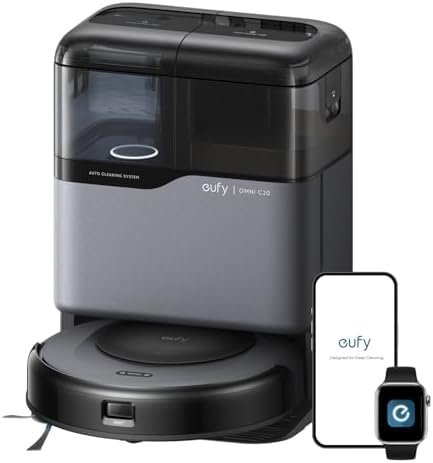
Best value: eufy Omni C20
The eufy Omni C20 packs auto mop washing and drying plus a 60-day self-empty base at a price most combos can’t touch. It is the pick if you want the hands-off experience without a flagship budget.
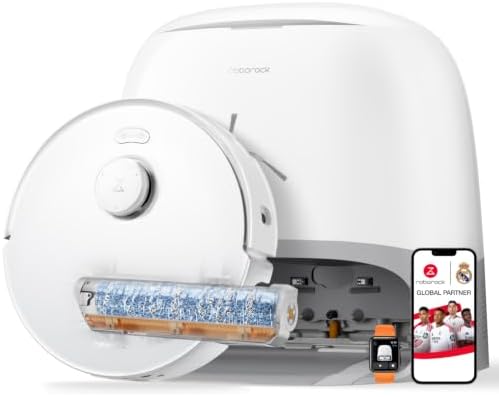
Best overall: roborock Qrevo Curv 2 Flow
The roborock Qrevo Curv 2 Flow uses a roller mop that self-cleans in real time with hot water — the closest thing to a self-maintaining floor cleaner, with excellent navigation to match.
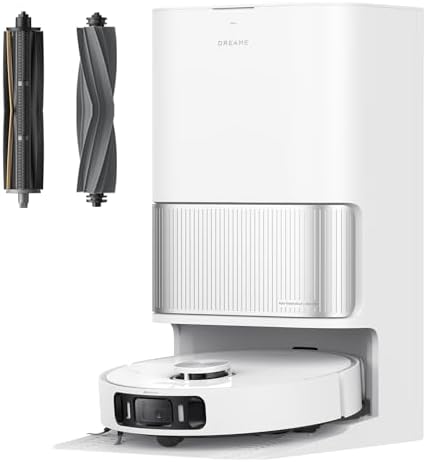
Best mid-range: dreame L40s Ultra
The dreame L40s Ultra adds an extendable edge mop for corners and a self-cleaning dock at a mid-range price.
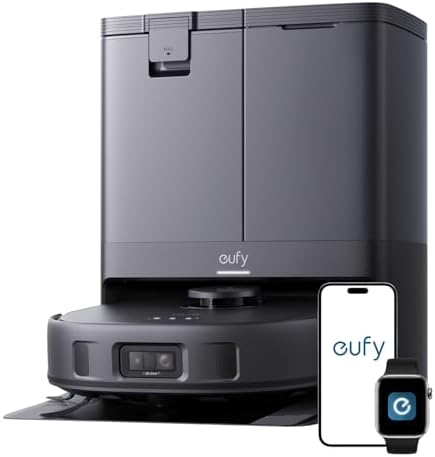
Best for mixed floors: eufy X10 Pro Omni
If you have rugs and hard floors, the eufy X10 Pro Omni lifts its dual mops 12 mm over carpet, so it can vacuum rugs and mop hard floors on the same run.
Bottom line
Buy for the dock: mop washing and self-emptying are the features that make a combo worth the premium. For pet homes specifically, see our best robot vacuum for pet hair roundup.
How robot mopping actually works
Understanding the mechanics tells you what to expect — and what not to:
1. Drag-a-pad mopping. A damp pad trails behind the robot. It removes light dust and paw prints, not dried stains. This is what most combo robots do.
2. Vibrating or rotating pads. Actively scrub, so they lift dried spots better than a drag pad.
3. Self-wash docks. After mopping, the dock washes and dries the pad so you are not handling a wet cloth.
4. Water tank size. Onboard tanks limit how much area can be mopped per run; a dock with refill extends it.
The realistic expectation: combo robots maintain a floor that is already reasonably clean. They are not a substitute for a mop on a sticky spill or a deep clean.
What to look for in a combo
1. Self-wash vs. pad-only. Self-wash removes the chore of cleaning the pad. Pad-only means you rinse it yourself.
2. Pad lift height. The robot must lift the pad when it detects carpet, or it will drag a wet cloth across your rug.
3. Water and dust separation. Cheaper combos share one tank; better ones separate clean water from dirty, and dust from water.
4. Suction + brush. Mopping does not excuse weak vacuuming. A rubber anti-tangle brush matters if you have pets.
5. Navigation. Mapping keeps the robot from re-mopping the same strip and from dragging a wet pad into a bedroom.
Where combos fall short
| Task | Does a combo handle it? |
|---|---|
| Light dust on hard floors | ✅ Yes |
| Paw prints, light tracking | ✅ Yes |
| Dried food or sticky spills | ❌ No — needs a mop |
| Deep cleaning grout | ❌ No |
| High-pile carpet | ❌ No — use a vacuum |
Setting the right expectation prevents the most common complaint: “it mopped but the floor still feels dirty.” It maintained the floor; it did not deep-clean it.
Carpet handling — the feature people miss
A combo robot that cannot lift its pad will drag a damp cloth over carpets. Symptoms:
- Damp patches on rugs
- Musty smell over time
- Streaked, matted carpet
Look for a robot that detects carpet and lifts the pad (or raises the mop assembly). This is more important than the mopping quality itself in a mixed-floor home.
Running costs
| Item | Typical |
|---|---|
| Mop pads | $15–$40, replaced every few months |
| Cleaning solution | $10–$25, lasts weeks |
| Bags (self-empty) | $15–$40, every 1–2 months |
| Filters | $10–$30, every 1–3 months |
| Electricity | A few dollars a year |
Budget roughly $60–$130 per year in consumables for a combo with a self-wash dock.
Maintenance
- Rinse or replace pads regularly; a dirty pad smears rather than cleans.
- Empty the dirty water tank after each mop run to prevent odor.
- Clean the wash tray on self-wash docks.
- Clear the brush and filter as you would for any robot.
- Wipe sensors so navigation stays accurate.
See the full cleaning routine.
Is a combo worth it over vacuum-only?
| Your situation | Recommendation |
|---|---|
| All hard floors, light dust | Combo is worth it |
| Mixed floors, mostly vacuum | Vacuum-only, or a combo with pad lift |
| Mostly carpet | Vacuum-only — mopping adds little |
| Wants deep cleaning | Combo + a real mop for spills |
A combo earns its premium on hard floors. On mostly-carpeted homes, you are paying for a feature you will rarely use.
FAQ
Do robot mops clean as well as a mop? No. They maintain a reasonably clean floor but do not replace a mop for spills, stains, or deep cleaning.
Can a combo robot vacuum and mop at the same time? Many can, but the best results come from separate passes: vacuum first, mop second. Some robots do this automatically.
Do I need a self-wash dock? It removes the chore of rinsing the pad by hand, which is what makes people stop mopping. Worth it if you will actually use the mop function.
Will a robot mop damage hardwood? Used correctly (damp, not soaked), it is generally safe on sealed hardwood. Avoid soaking and check the manufacturer’s guidance for your floor type.
How often should I run the mop? For maintenance, a few times a week on hard floors. It is not a deep-cleaning tool, so frequency matters less than consistency.
Combo vs. separate vacuum and mop
Some people are better served by two machines than one combo:
| Combo robot | Separate vacuum + mop | |
|---|---|---|
| Cost | Higher for one unit | Can be similar |
| Mopping quality | Light maintenance | Real deep cleaning |
| Storage | One dock | Two units |
| Best for | Daily touch-ups on hard floors | Homes that need real mopping |
A combo is a maintenance tool — it keeps an already-clean floor clean. A separate mop (manual or a dedicated mopping machine) does the deep cleaning. If your floors get genuinely dirty, a combo alone will disappoint.
The pragmatic setup for many homes: a combo robot for daily upkeep, plus a mop or a stick vacuum for the heavy lifting and carpet.
Wet-mess and pet accidents: what to know
Combos and their docks handle water, which raises two concerns:
- Wet mess pickup. Most combos are not designed to vacuum liquids; pet accidents can damage them. Some newer models have specific wet-mess handling — check before relying on it.
- Dock cleanliness. A self-wash dock that is not cleaned can develop odor. Empty the dirty water tank after runs and clean the wash tray regularly.
If you have pets prone to accidents, this is a real consideration — a cheap combo ruined by one incident costs more than a rugged vacuum-only robot.
Setting a mopping schedule that makes sense
Mopping frequency depends on your floors and household:
- All hard floors, no pets: every other day is plenty.
- Hard floors with pets: daily, to keep paw prints and tracking down.
- Mixed floors: mop the hard-floor zones, exclude carpet with no-go zones.
- Highly trafficked entry areas: consider a second daily pass.
Map your home into zones and schedule mopping only where it matters. Mopping carpets or unused rooms wastes water, pads, and battery.
FAQ
Is a combo robot as good as a separate mop? No. It maintains clean floors; it does not deep-clean. For real mopping, pair it with a manual mop or a dedicated cleaner.
Do I need a self-wash dock? If you will actually use the mop function, yes — it removes the pad-rinsing chore that stops most people from mopping.
Can a robot mop handle pet accidents? Generally no, and it can damage the unit. Handle wet accidents manually.
How long do mop pads last? Washable pads last a few months; disposable ones vary. Budget $15–$40 for replacements every few months.
Does mopping replace vacuuming? No. Vacuuming removes the debris; mopping removes the film. You need both.
Product gallery
Images: manufacturer / retailer product shots. Source: product datafeed.